Gas nitriding is a thermochemical surface hardening process used to increase the wear resistance, surface hardness, and fatigue life of ferrous metal components by diffusing nitrogen into the surface. Unlike other hardening methods, it occurs at sub-critical temperatures ($480\text{°C}$ to $580\text{°C}$), which prevents phase transformation and minimizes part distortion.
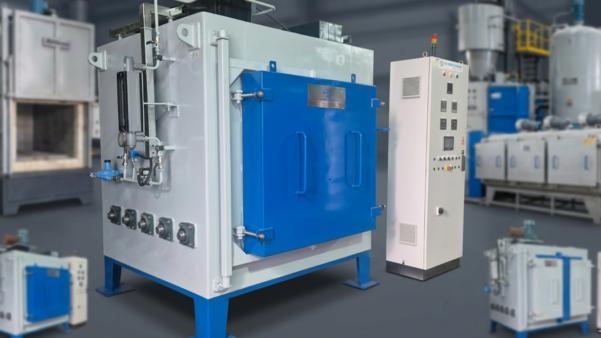
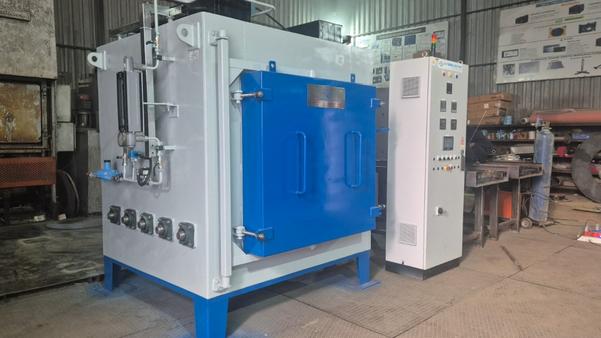
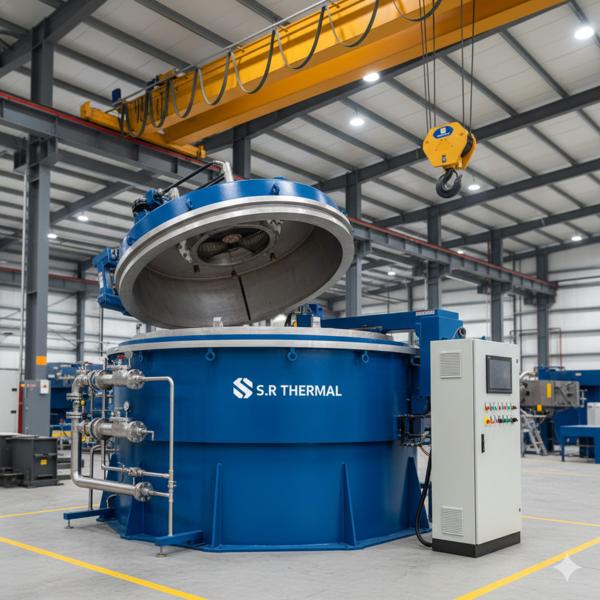
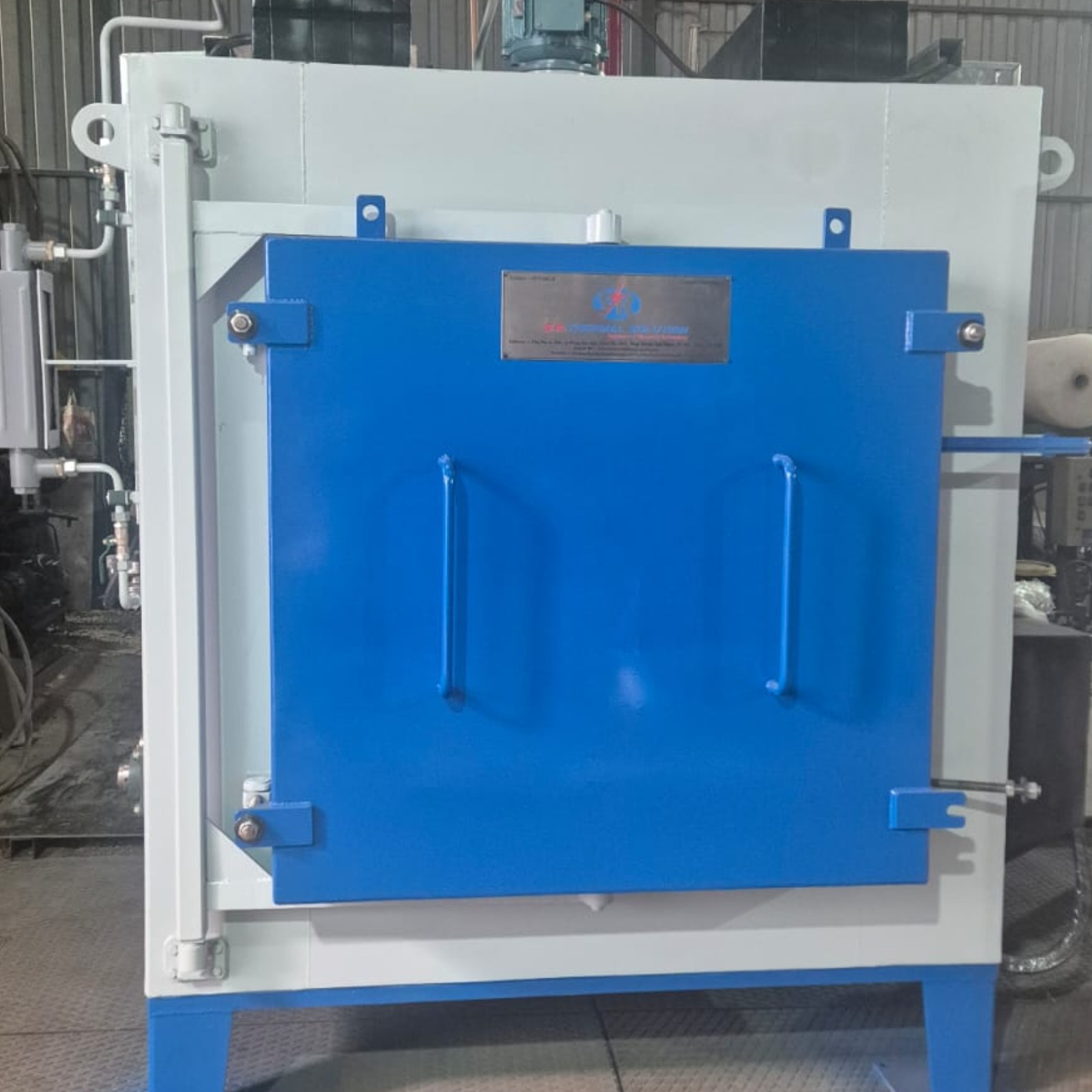
the choice of furnace depends on the geometry of the parts, production volume, and precision requirements.
| Furnace Type | Best For... | Key Characteristics |
| Pit Type (Vertical) | Long shafts, heavy loads, and large gears. | Space-saving vertical design; parts are lowered into a retort (sealed tank). |
| Horizontal (Box) Type | General batch processing and automated lines. | Front-loading; easier to integrate with robotic loading systems. |
| Bell (Retort) Type | High-volume batch processing. | A "bell" cover is lowered over the parts; allows for cooling one batch while another is heating. |
| Vacuum Purge Nitriding | High-precision aerospace & medical parts. | Uses a vacuum to remove air before introducing ammonia, ensuring a very "clean" and uniform surface. |
| Continuous Furnaces | Mass production (e.g., automotive valves). | Parts move through different temperature zones on a conveyor belt. |
2. Industrial Applications & Uses
Gas nitriding is essential in industries where components face extreme friction or cyclical stress.
Automotive: Crankshafts, camshafts, gears, piston rings, and fuel injection pumps.
Aerospace: Landing gear components, engine parts, and actuators (where high fatigue strength is vital).
Tool & Die: Extrusion dies, injection molds, and forging tools (to prevent "galling" or sticking).
Energy: Turbine blades and oilfield drilling equipment.
Heavy Machinery: Hydraulic cylinders, drive shafts, and construction equipment pins.
3. Targeted Regional Market Analysis (2026)
To target these regions effectively, you must align with the specific industrial hubs and standards prevalent in each country.
🇺🇸 USA & 🇨🇦 Canada (North America)
Major Cities: Detroit (MI), Chicago (IL), Houston (TX), Toronto (ON), Montreal (QC).
Focus: High demand for Vacuum Nitriding due to the massive Aerospace and Defense sectors.
Standards: Equipment must meet AMS 2750 (Aerospace Material Specifications) and NFPA 86 (Safety standards).
🇹🇷 Turkey
Major Cities: Istanbul, Bursa, Kocaeli, Ankara.
Focus: Turkey is a global hub for Automotive OEM and Machinery manufacturing.
Opportunity: High demand for Pit-type and Bell-type furnaces for large-scale production of gears and engine components.
🇵🇭 Philippines
Major Cities: Manila (Cavite/Laguna Industrial Belts), Cebu, Batangas.
Focus: Growing Electronics and Precision Tooling sectors.
Opportunity: Focus on smaller Batch/Box-type furnaces for mold and die shops supporting the semiconductor and appliance manufacturing industries.
4. Why Use Gas Nitriding? (The Pitch)
If you are marketing these furnaces, focus on these "Pain Points" that gas nitriding solves:
No Quenching: Since there is no rapid cooling, parts don't warp or crack, reducing the need for expensive post-grinding.
Corrosion Resistance: The "white layer" (compound zone) formed during nitriding provides excellent resistance to moisture and chemicals.
Green Technology: Modern gas nitriding (like the ZeroFlow method) uses less ammonia and produces fewer emissions compared to salt-bath nitriding.